


Ever caught yourself tapping your foot impatiently while waiting for that painfully slow website to load? Five seconds pass, and you’re already gone. You’re not alone – 79% of shoppers who experience site delays won’t return.
Patience isn’t just some fluffy virtue your grandma preached about. It’s a practical skill that directly impacts your relationships, career, and mental health.
In this guide, we’ll explore how developing patience as a daily practice can transform your ability to handle life’s inevitable delays and disappointments. No mystical meditation retreats required – just straightforward techniques that work in real-world situations.
But here’s the thing about patience that nobody tells you: it’s not about learning to wait longer. It’s about something else entirely.
Understanding Patience in Today’s Fast-Paced World


The Science Behind Impatience and Its Effects
Ever wondered why waiting in line makes your blood boil? Your brain is actually wired for immediate rewards. When you’re impatient, your amygdala—the brain’s emotional center—goes into overdrive while your prefrontal cortex (the rational thinking part) takes a backseat.
Studies show that chronic impatience triggers stress hormones like cortisol, which can lead to:
- Increased blood pressure
- Weakened immune system
- Poor decision-making
- Damaged relationships
Brain scans reveal that patient people have stronger connections between emotional and rational brain regions. The good news? This wiring isn’t fixed—you can strengthen these neural pathways with practice.

Why Patience Matters More Than Ever
In a world of instant everything, patience has become a superpower.
Think about it—we’ve got same-day delivery, streaming without waiting, and answers to any question in seconds. Yet we’re more stressed than ever.
Patience gives you an edge. While everyone else is frantically jumping from task to task, patient people make fewer mistakes and build deeper connections.
The workplace rewards patience too. Patient leaders make 19% better decisions according to a Harvard Business Review study. They listen more, react less, and see the big picture when others are lost in the details.
Common Misconceptions About Being Patient
“Patient people are just passive pushovers.”
Nope. Real patience is active and powerful. It’s choosing your response rather than being controlled by impulses.

Many confuse patience with complacency. There’s a massive difference between patiently working toward goals and passively accepting whatever happens.
Another myth? That some people are just “naturally patient.” The truth is patience is a skill, not a personality trait. Even the calmest monk started somewhere.
Identifying Your Patience Triggers
Those moments when your patience vanishes? They follow patterns.
Start noticing when you feel that familiar rush of irritation. Is it:
- Time pressure? (“This line is taking forever!”)
- Technology glitches? (The spinning wheel of death)
- Certain people? (We all have that one person)
- Physical discomfort? (Hunger makes patience evaporate)
Track these triggers for a week. Write them down. You’ll spot surprising patterns.
The situations themselves aren’t the real problem—it’s your interpretation of them. The person driving slowly isn’t trying to ruin your day. The technology isn’t deliberately testing you.
Once you spot your triggers, you gain the power to pause before reacting.
Developing a Patient Mindset

A. Reframing Expectations for Greater Contentment
Patience isn’t just something you’re born with—it’s a mental skill you can build. And it starts with your expectations.
Think about it. Most frustration comes from the gap between what we expect and what actually happens. You thought that promotion would come after six months. It’s been nine. Cue the impatience.
The fix? Stop setting such rigid timelines for everything.
Instead of thinking “This should happen by X date,” try “This will happen when the time is right.” This isn’t about lowering your standards—it’s about being realistic about timing.
Next time you’re stuck in traffic, rather than gripping the wheel thinking “I should be there by now,” try “This delay gives me time to listen to that podcast I’ve been putting off.”
Your brain will thank you. Studies show that flexible expectations actually lead to greater happiness than rigid ones, even when outcomes are identical.
B. Practicing Mindfulness for Present-Moment Awareness
Impatience is living in the future. Mindfulness yanks you back to now.
When you’re standing in that endless checkout line, your mind is already at home unpacking groceries. That mental time travel? That’s what’s making you miserable.
Try this super simple exercise:
- Notice your breathing (don’t change it, just notice)
- Feel your feet on the ground
- Name three things you can see right now
Boom. You’re back in the present. And the present rarely feels as unbearable as our impatient thoughts make it out to be.
I started doing this while waiting for my coffee each morning. What used to feel like an eternity now passes without me even noticing.
C. Building Mental Resilience Through Small Challenges
Want patience? Create tiny wait-training exercises for yourself.
Seriously. Just like you’d train a muscle, you can train your patience with deliberate practice:
- Take the longer line at the grocery store on purpose
- Wait an extra day before watching the next episode of your favorite show
- Set your phone across the room when working
- Cook a meal that requires slow preparation
Each little victory strengthens your patience muscle. The beauty is that you’re choosing these moments, not having them forced on you.
I once challenged myself to wait 24 hours before making any online purchase over $50. Not only did I save money (turns out I didn’t need half that stuff), but I noticed my impulse control improving in other areas too.
D. Cultivating Self-Compassion During Waiting Periods
Let’s get real—impatience often comes with a side of self-criticism. “What’s wrong with me? Why can’t I just chill out and wait?”
Cut that out. Beating yourself up for being impatient just adds another layer of suffering.
Next time you catch yourself in an impatient spiral, try talking to yourself like you would a good friend:
“It’s natural to feel frustrated right now. This waiting is tough.”
Self-compassion isn’t self-indulgence. It’s recognizing that impatience is a universal human experience, not a personal failing.
The paradox? When you stop judging yourself for being impatient, you actually become more patient.
E. Creating Patience Affirmations That Work
Forget those generic affirmations that feel fake. Patience affirmations only work when they’re personal and believable.
Start by identifying your specific impatience triggers. Is it slow technology? Other people’s incompetence? Waiting for responses?
Then craft statements that directly address those triggers:
- “This delay is temporary, not permanent”
- “I can use this waiting time productively”
- “Rushing won’t change the outcome”
The key is repetition. Put these where you’ll see them daily—as phone wallpapers, sticky notes, or calendar reminders.
I keep mine on my bathroom mirror: “The time will pass anyway.” Simple, but it reminds me that impatience doesn’t speed anything up—it just makes the waiting more miserable.
Practical Patience Exercises for Daily Life
The 10-Second Pause Technique
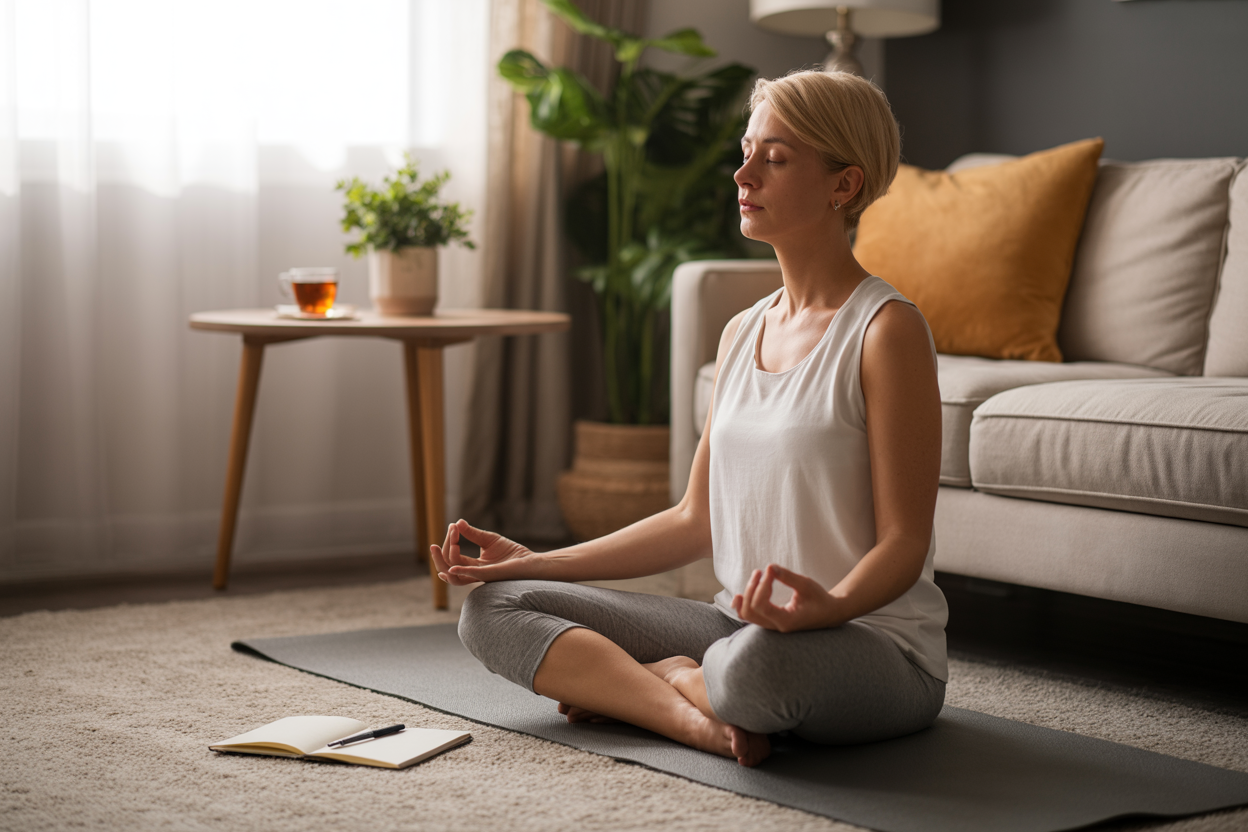
Ever been so angry you could scream? Next time, try this: count to ten. That’s it. So simple, yet most of us skip right past it when emotions run high.
Here’s how it works: When you feel that familiar rush of impatience, stop. Take a deep breath. Count slowly to ten. By the time you reach “ten,” your brain has actually had a chance to switch from reactive to responsive mode.
I’ve seen this work wonders with my most impatient clients. One guy, a high-powered executive, told me he saved his marriage by counting to ten before responding to his wife during arguments.
The beauty of this technique? You can do it anywhere – in traffic, during a frustrating call with customer service, or when your kids are testing your last nerve.
Try this variation: during your 10-second pause, name three things you can see, hear, and feel. This grounds you firmly in the present moment.
Patience-Building Activities for Different Personalities
Not all patience exercises work for everyone. Your personality type matters hugely.
For action-oriented people:
- Try rock climbing or fishing – both require sustained attention and delayed gratification
- Cook complicated recipes that take hours to prepare
- Plant a garden (nothing teaches patience like waiting for seeds to sprout)
For analytical types:
- Puzzles with 1000+ pieces
- Learning a musical instrument (progress comes in tiny increments)
- Chess or strategy games that require long-term planning
For social butterflies:
- Practice active listening without interrupting
- Mentor someone younger (requires patience to let them learn at their pace)
- Join group projects where you can’t control the timeline
The trick is matching the activity to your natural tendencies. Fighting against your personality type rarely works.
Digital Detox Strategies to Increase Patience
Our phones have destroyed our patience. Think about it – we get twitchy waiting 3 seconds for a webpage to load when our grandparents waited weeks for mail.
Start small with these digital patience builders:
-
Turn off all non-essential notifications. Those constant pings have trained your brain to expect immediate gratification.
-
Institute “slow zones” in your home – places where devices aren’t allowed. The dinner table, bedroom, and bathroom are good starting points.
-
Try the “phone stack” game when out with friends – everyone places their phone in a stack, and the first to reach for theirs pays the bill.
-
Set specific times to check email and social media instead of constant checking.
-
Read actual physical books. They don’t ping, flash, or offer endless scrolling.
The withdrawal symptoms are real but temporary. Most people report feeling calmer and more focused after just a week of digital boundaries.
Patience in Relationships

Active Listening as a Patience-Building Tool
Patience in relationships starts with truly hearing the other person. Not just nodding along while mentally crafting your response, but actually absorbing what they’re saying.
When someone speaks, give them your full attention. Put down your phone. Make eye contact. Watch their body language. These small actions signal “I value what you’re saying enough to pause everything else.”
Most of us listen to respond, not to understand. Try this instead: after they finish speaking, take a breath before answering. Then paraphrase what you heard before offering your thoughts. This tiny pause creates space for patience to grow.
Real listening requires patience, and practicing it builds more patience. It’s a beautiful cycle.
Navigating Conflict with a Patient Approach
Conflict makes most of us jumpy. We rush to fix it, defend ourselves, or flee altogether. But what if you just… waited?
The next time tension rises:
- Take three deep breaths before responding
- Ask yourself: “What’s really happening beneath their words?”
- Consider: “What might they be afraid of right now?”
Patience during conflict isn’t passive—it’s strategic. It gives you time to separate the person from the problem. It allows emotions to settle so logic can enter.
Remember that weird fight you had last month? I bet at least half of it wouldn’t have happened with 30 seconds of patience.
Setting Realistic Expectations of Others
We get impatient when reality doesn’t match our expectations. Your partner doesn’t load the dishwasher “correctly.” Your friend is always 15 minutes late. Your coworker needs instructions repeated.
The secret? Adjust your expectations.
People aren’t projects to fix. They’re complex humans with their own wiring. When you expect perfection (or even your version of “normal”), you’re setting yourself up for impatience.
Try this mindset shift: “They’re doing their best with the tools they have right now.”
This doesn’t mean accepting harmful behavior. It means recognizing that different people move at different speeds through life. Accepting this reality is the foundation of patience.
Communicating Needs Without Demands
There’s a world of difference between “You never listen to me!” and “I feel unheard when conversations get interrupted.”
Patient communication focuses on expressing needs without attacking. It uses “I” statements instead of “you” accusations. It acknowledges that your needs matter—and so do theirs.
Patience shows up in your tone, your timing, and your willingness to revisit conversations when emotions run high.
The next time you need something from someone, try:
- Choosing a calm moment to talk
- Stating your need clearly without blame
- Asking what obstacles might make meeting your need difficult
- Finding compromise together
This approach takes longer initially but saves relationship repair time later.
Patience in Personal Growth and Achievement

The Long-Game Approach to Goals
We live in a world obsessed with overnight success stories. But here’s the truth: real achievement takes time. That shiny “overnight success” you admire? It’s usually backed by years of consistent effort nobody saw.
Adopting a long-game mindset means setting meaningful goals that stretch beyond the immediate future. Instead of chasing quick wins that fizzle out, focus on building foundations that support lasting success.
Try this: For any goal you set, ask yourself “Will this matter in five years?” If yes, it deserves your patience and persistent attention.
Many of us quit right before the breakthrough happens. Remember, water doesn’t boil the moment you turn on the heat—but keep the flame steady, and transformation is inevitable.
Embracing Setbacks as Learning Opportunities
Setbacks aren’t failures—they’re feedback. Every “no” brings you closer to “yes.” Every mistake teaches something valuable.
When you hit a roadblock, ask these questions:
- What can I learn from this?
- How might this redirect me toward something better?
- What skills am I developing through this challenge?
The most successful people have often failed more times than the average person has even tried. Their secret? They saw each setback as a necessary step toward mastery.
Celebrating Small Wins Along the Journey
Big achievements are built from countless tiny victories. Did you practice for 15 minutes today? That’s a win. Resisted an impulse to quit? That’s a win too.
Create a “wins journal” where you record even the smallest steps forward. On tough days, flip through it to remind yourself how far you’ve come.
Small celebrations create momentum. They wire your brain to associate progress with pleasure, making patience easier to maintain.
Creating Sustainable Progress Metrics
Traditional metrics often focus solely on outcomes. But what about the daily habits that eventually produce those outcomes?
Track both your processes and your results:
| Process Metrics | Result Metrics |
|---|---|
| Daily writing time | Words written |
| Workout sessions | Strength gains |
| Networking attempts | New connections |
| Learning sessions | Skills mastered |
When you honor the process, patience becomes part of your practice rather than something you endure. You’ll find joy in the journey itself, not just the destination.
Maintaining Patience in Challenging Situations

Stress-Management Techniques for Testing Times
Patience wears thin when stress takes over. Ever notice how quickly you snap when you’re already on edge? That’s no coincidence.
Try these quick fixes when you feel your patience slipping:
- The 5-5-5 method: Breathe in for 5 seconds, hold for 5, release for 5. Works like magic in traffic jams.
- Physical reset: Step away and stretch for 30 seconds. Your body relaxes, your mind follows.
- Perspective shift: Ask “Will this matter in 5 years?” Most things won’t.
One woman told me she mentally puts difficult situations in a box labeled “temporary.” Simple trick, huge difference.
When to Exercise Patience vs. Taking Action
Patience isn’t always the answer. Sometimes you need to act.
Here’s a quick guide to know the difference:
| Exercise Patience When | Take Action When |
|---|---|
| The outcome depends on timing | Your boundaries are violated |
| Others need space to grow | The situation is harmful |
| You lack complete information | Waiting creates bigger problems |
| Emotional reactions are high | Clear patterns of disrespect emerge |
The sweet spot? Patiently taking deliberate action. Think of it as slow, intentional movement rather than reactive jumping.
Boundary-Setting for Preserving Your Peace
Your patience isn’t an unlimited resource. Protecting it requires clear boundaries.
Start small:
- Name what drains your patience (people who interrupt, chronic lateness)
- Create a simple phrase to use when boundaries are crossed
- Practice saying no without explaining yourself
Boundaries aren’t walls—they’re guidelines showing others how to treat you. The people worth keeping around will respect them.
I’ve found that writing down my non-negotiables helps tremendously. When someone crosses a line, I’m not figuring out my response in the heat of the moment—I already know.

The journey to mastering patience is ongoing, requiring consistent practice and a willingness to embrace discomfort. By understanding patience’s role in our rushed world, developing a patient mindset, and implementing practical exercises daily, we can transform our relationships and personal growth experiences. The techniques shared for maintaining composure during challenging situations provide valuable tools for anyone seeking to cultivate this powerful virtue.
Remember that patience isn’t about passive waiting—it’s an active choice that empowers you to respond rather than react. As you incorporate these strategies into your daily routine, you’ll discover that patience not only reduces stress and improves relationships but also enhances your ability to achieve meaningful, lasting success. Start small, be gentle with yourself when you falter, and celebrate your progress as you develop this essential life skill.